How to Tell if Your Cat is Sick
*This post may contain affiliate links for which I earn commissions.*
Cats are Very Good at Hiding Illness or Injury
There are times when it’s very obvious that your cat is sick or injured. Some examples would include: vomiting, limping, bleeding, discharge from the eyes, ears, or mouth, diarrhea, or super lethargic. Your cat may stop eating, drinking, or have hair loss. If you don’t clip their nails they may have a nail that curves into their pad and hurts when they walk on it. It could be something minor or major. Often time is of the essence regarding getting your cat help before things really get out of hand.
The real challenge here is twofold. First they love to sleep…a lot. Some cats sleep up to 20 hours per day! They sleep a lot when they are young and they sleep even more when they get older. Where do you think the term “cat nap” came from? Often when they sleep they will find more quiet, isolated areas so as not to be disturbed. These daily sleep marathons can significantly cut down on human face time and interaction. Our busy schedules can also place extreme limitations on time with our cats. Dogs will just come running looking for you. Cats may come to greet you, but often they don’t.

Secondly, cats are amazing at covering up and hiding injuries and illness. This is a self preservation, genetic instinct that they use to avoid being targeted by other cats or potential predators. Even though your cat is indoors and safe this instinct still kicks in.
These two factors combined can make it very difficult to tell something is wrong until much later when the issue has had time to get much worse. This very serious situation can be made even more difficult if you have multiple cats. Your not sure who vomited, stopped eating, or has left something alien and unholy in the litter box.
Over the decades that we have had cats, done rescue, and dealt with a wide variety of health situations we have learned some strategies that can help with very early detection of many potential health issues that your cat may have.
Firstly, you really need to get to know your cat. For many experienced cat owners this is instinctual and natural. New or less experienced owners may need to put a little more time and focus into this activity. You want to know: favorite food, treat, toy, sleeping spot, where they like to be petted, how they like to be handled, what is their daily routine, what sort of things do they dislike? Getting to know your cat better involves, observation, attentiveness, and being more interactive. Some cats are not real outgoing and personable. These types need YOU to be the initiator before they will hop on board and be all lovey dovey.
One of the first indicators that there may be a health issue is not using the litter box. This does not automatically mean they are sick, but if they used it fine before and nothing in their world has changed recently, then this is a very good possibility. Every once in awhile a cat may have a litter box issue, but repeated issues may require a vet visit to get things checked out.
Is your cat losing weight? If they are losing weight for no obvious reasons, then this could mean a health or dental issue. We have had cats lose weight because they had cancer. We have also had cats lose weight due to dental issues. Cats also lose some weight as they get older. This can be normal or it may be an indicator. Older cats in general can be even more challenging with noticing things are not quite right.
Is your cat not eating? Are they not drinking? It is helpful to try and make mental notes of who you actually see eating and drinking daily. It is very common for cats to not eat if they do not feel right. They may also stop drinking which is even more important. Unfortunately, a cat may have some kind of health issue that is not really serious or life threatening, but their lack of eating and or drinking can create a very serious situation in just a few days. It’s also possible the health issue is not that serious, but the lack of eating and or drinking is what becomes the serious issue. Often when a cat quits eating for a long enough period of time, it can be very difficult to get them to eat again later on.
Another more common indicator is change in routine. I can’t tell you how many times over the years that I have noticed a change in routine and new something was wrong almost right away. It wasn’t always a health issue, but perhaps a cat got shut in a closet or the pantry. There have been many times where the ONLY sign of a health or dental issue WAS a CHANGE in ROUTINE. This is one of the very important reasons you need to really know your cat.
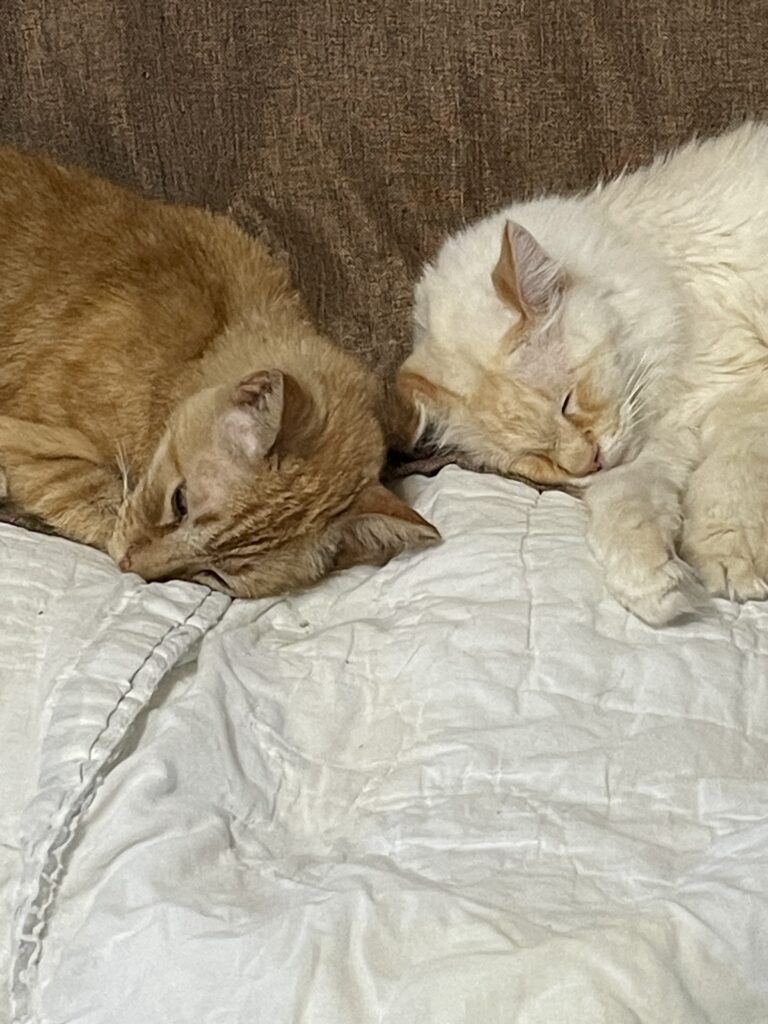
Now just because there was a change in their routine that does NOT automatically mean they are sick or injured or that anything is wrong. Cats really do like their routines. If you pay attention you will notice they do many of the same things in the morning, in the evening, at bed time and even have some minor adjustments on the weekends or your days off. If a cat really loves their human they will often mimic their favorite human’s routine. I have noticed that some of the more intelligent cats do like to tweak their routines a bit from time to time. If you notice a routine change you should consider this a red flag and do some more research and due diligence to see if a vet visit may be in order.
Another thing to keep in mind is that cats are really good at hiding pain. So if your cat seems to really be in some pain, then it’s most likely a very serious situation that needs immediate attention. If you think your cat’s discomfort level is like a 3 on a scale of 1-10 it’s more likely a 8 or 9. We have a cat that is semi-feral. I can pet him a little when he wants to, but our interaction is quite limited. He went from fine to drooling constantly in about 3 days! We were able to get him to the vet which was not easy at all. We found out he has FIV which affects the immune system. Even though he was only about 6 his teeth were so bad that they all had to be removed! So clearly his teeth had been an issue for awhile and yet there was NO indication at all. Fortunately, we were able to get him taken care of and now he seems pretty happy. Or in his case less scared and paranoid than usual!
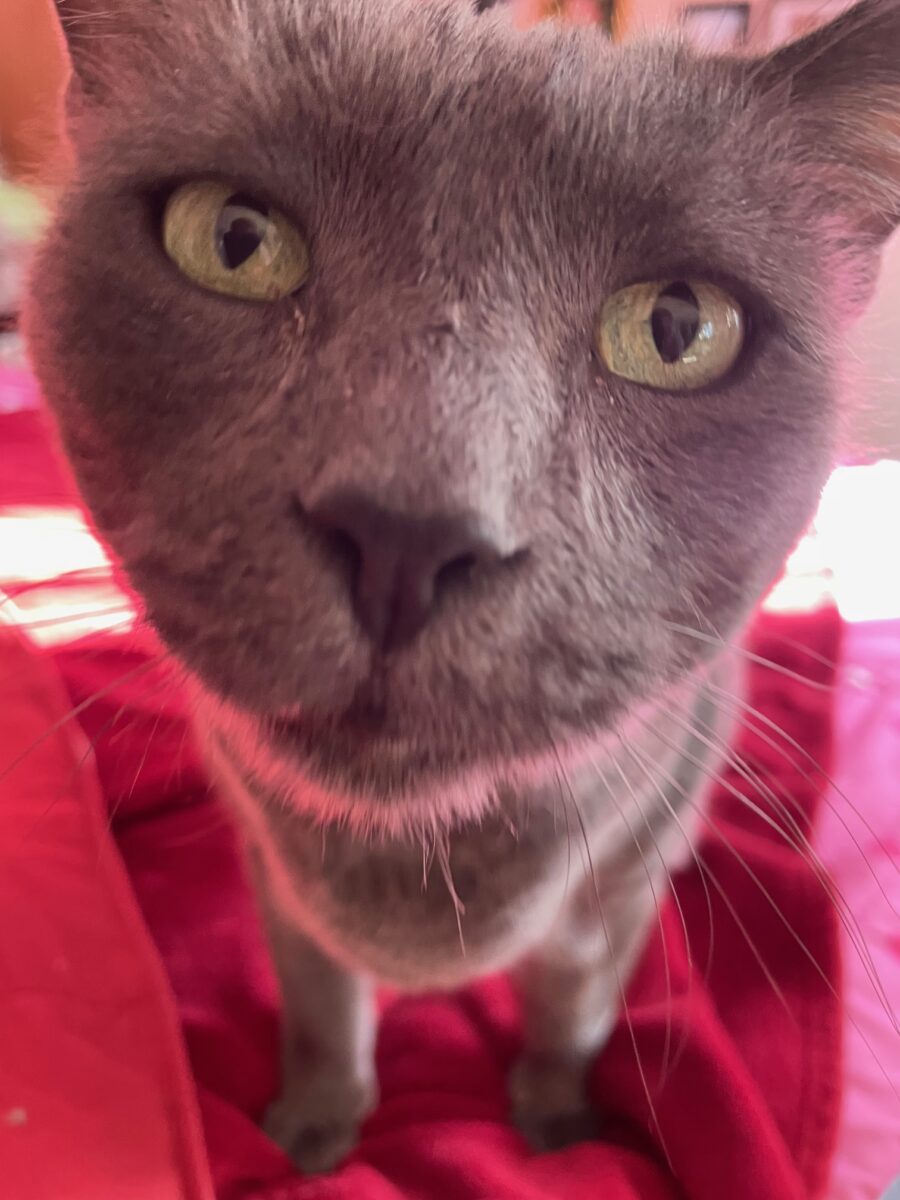
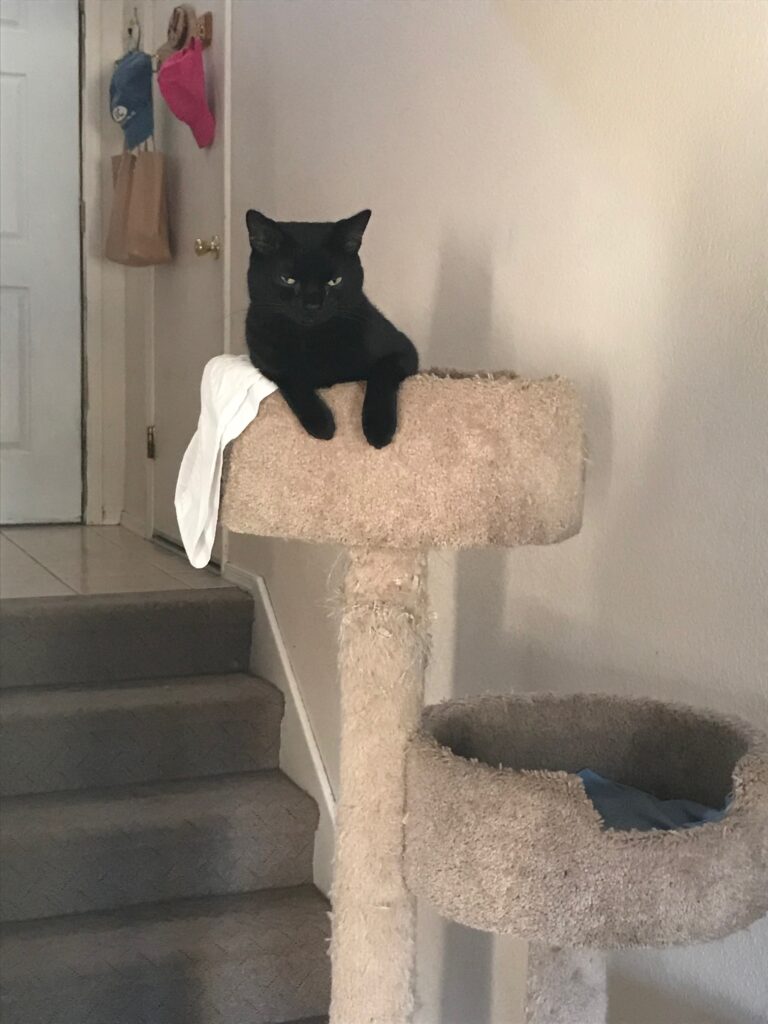
My cat Grayson loves to spend a lot of time on a short cat tower with a sheet over it. He will nap there or just hang out. He has been quite skittish and easily scared in the past and this spot seems to be a safe zone for him. He does come out of there a lot too. If I am looking for him and don’t see him, then that is the first place I look. A couple of years ago we had a lot going on with more stress and distraction than usual. I did not really notice that I had not seen Grayson for a day or two. We always have several cats, strays, fosters, and dogs too. Usually, between my wife and me we can keep track of everybody at least daily, but sometimes it may be a couple of days or so before we both realize somebody has been hiding/sleeping more than usual.
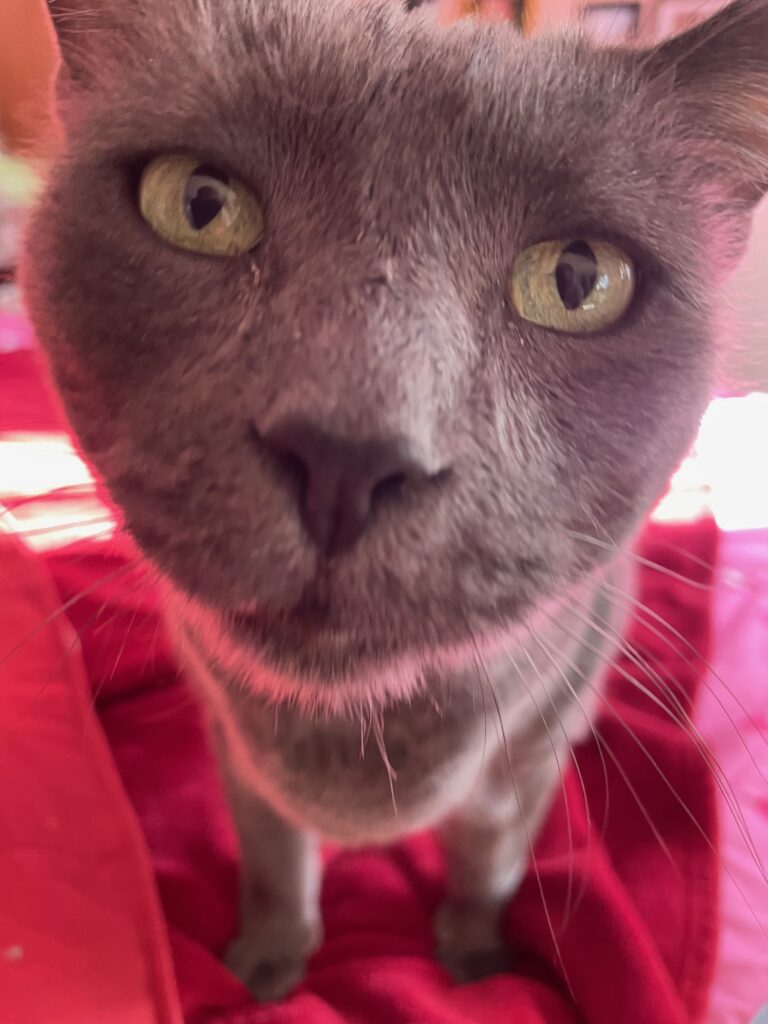
I tracked Grayson down and he was indeed in his favorite spot. To be fair at this time this was just becoming his new favorite spot. I pulled him out and petted him while holding him. Then, I put him down in front of a bowl of cat kibble and water to see if he was hungry or thirsty. He just kind of stood there and then when he tried to walk away he was quite wobbly. I knew right away something was wrong. I was able to get him to the vet that morning and we discovered he was quite ill. They were not exactly sure what it was, but he received some medical care and over the next few days we kept on him with food and drink and slowly he got back to normal.
That scenario was pretty scary and was a stark reminder to be more aware and diligent always. Now if I have not seen somebody and they day is winding down I check with my wife to see if she had any interaction with a certain cat. I also will start searching until I can see them and check on how they are doing.
If nobody in the house is home all day on a regular basis, then you really have to have a good plan to check on your cats when you are home. Subtle changes in their routine may not really stand out for a few days and that can be a real problem.
The bottom line is that it can be very challenging to know if your cat is having any health issues. It’s not as obvious as you might think. Knowing your cat’s preferences, routines, and personality can be very helpful in many ways. Try to interact and observe your cat on a daily basis, even if you have to go out of your way to do so. It could be a life saver.